From Community Work in Bangladesh to New Questions in Canada
Before I moved to Canada, I worked with climate-vulnerable farming communities in Bangladesh by facilitating climate-resilient livelihood training activities.
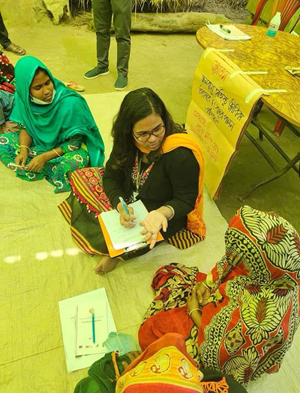
Working closely with rural families, I saw how environmental problems affect food security, jobs, and people’s wellbeing. I saw families make tough choices about what to grow and how to adapt when facing hard environmental and economic times. These experiences made a strong impression on me, but I didn’t yet realize how personal food access would become in my own life.
Understanding Food Access Through Lived Experience
When I moved to Guelph, I worked in both a retirement village and a retail food store. These jobs gave me a chance to see food systems in new ways. I learned about food service, how people access food, what makes food affordable, and the choices people make every day about what to eat. At the same time, I was also trying to figure out where to find ingredients from my own culture and how to keep up food traditions that reminded me of home.
Living in student family housing at the University of Guelph made me even more aware of these issues. Many international graduate students live there with their families, and talking with my neighbors showed me that I was not alone. Students and families from many countries often struggled to find foods that matched their culture, faith, family traditions, and identity.
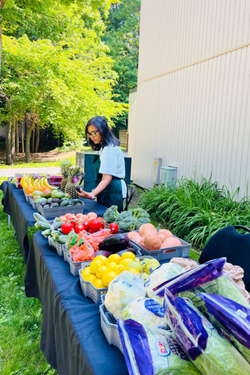
I have also learned a lot from community food projects in Guelph. Volunteering at the Campus Food Market helped me see how the campus is working to support students who struggle with food insecurity. Being involved with 10C and the Guelph Farmers’ Market taught me more about local food systems, community connections, and why it matters to make food spaces open and welcoming to everyone.
These experiences changed the way I think about food security. I realized that food access isn’t just about nutrition, cost, or whether food is physically available. It also involves culture, dignity, emotional well-being, and feeling at home in a new place.
Turning Experience Into Research
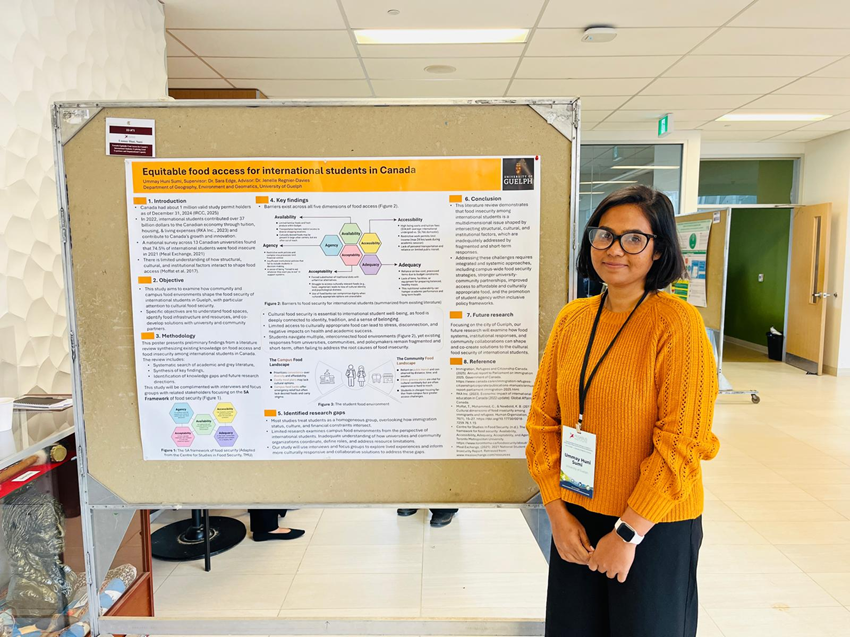
As an international student, I offer both personal and academic perspectives in my research on cultural food security among international students in Guelph. I also understand that international students have diverse backgrounds. Their experiences with food access and insecurity depend on many factors, including nationality, race, ethnicity, language, religion, gender, class, family situation, and migration path.
Since starting my graduate studies in the Department of Geography with Dr. Sara Edge, I have learned a lot about immigrant food security, community food infrastructure, and food systems in Canada. Studying in Canada has helped me grow both academically and personally. My research focuses on how campus and community partnerships can improve food security for international students.
Looking Ahead
When I look back, I see that movement, adaptation, and community have shaped my path. Working in Bangladesh showed me how food, livelihoods, and resilience are linked. As a newcomer in Canada, I learned that food is also connected to culture, identity, and a sense of belonging. Studying at the University of Guelph has helped me bring these lessons together through my research. I hope my work will help create more inclusive food systems for international students, newcomers, and families starting new lives.